Plant conversion (turnkey)
Measurement campaigns
Key Takeaways
- Measurement campaigns provide reliable operating and process data for the evaluation, optimization and further development of energy systems.
- The CONENGA Group plans and accompanies measurement campaigns to analyze energy flows, emissions, process conditions and plant behavior.
- Structured data collection identifies weak points, inefficiencies and unstable operating states.
- Measurement campaigns form an important basis for balancing, simulations, optimization measures and technical decision-making processes.
- The CONENGA Group combines measurement technology, systematic data acquisition and data analysis with process engineering know-how for the sound evaluation of complex processes in thermal energy systems.

Real operating states
In many thermal power plants, available control system data, operational measurements, or design assumptions provide only an incomplete picture of the actual process conditions. Temperatures vary significantly from place to place, flow rates are implausible, or plant energy balances cannot be closed. At the same time, there is a desire to systematically improve energy efficiency. Consequently, optimization measures are often based on individual values or empirical data without a reliable data foundation.
Measurement campaigns are used to record real operating conditions directly at the system and to classify them technically. The focus is not on individual measured values, but on understanding temperature distributions, flow conditions, boundary zones, measurement deviations and process engineering correlations.
Only the combination of measurement technology, system understanding and process engineering interpretation creates a reliable basis for optimizations, conversions and the corresponding investment decisions.
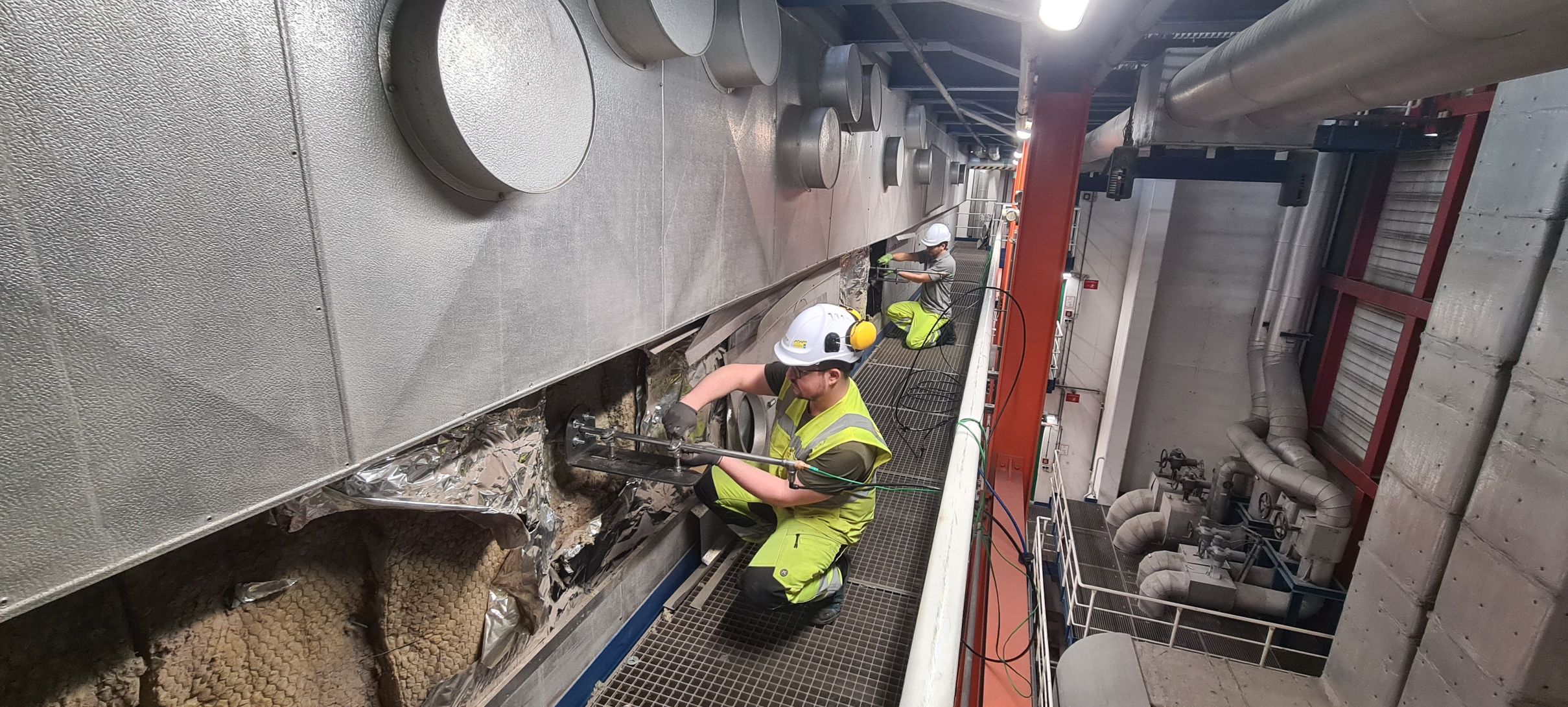
Installation of temperature measuring lances in the superheater of a boiler system
Typical occasions for measurement campaigns
Measurement campaigns are particularly useful when existing operating data does not appear plausible or technical decisions need to be validated.
Typical questions are:
- Temperature profiles in boilers and flue gas ducts
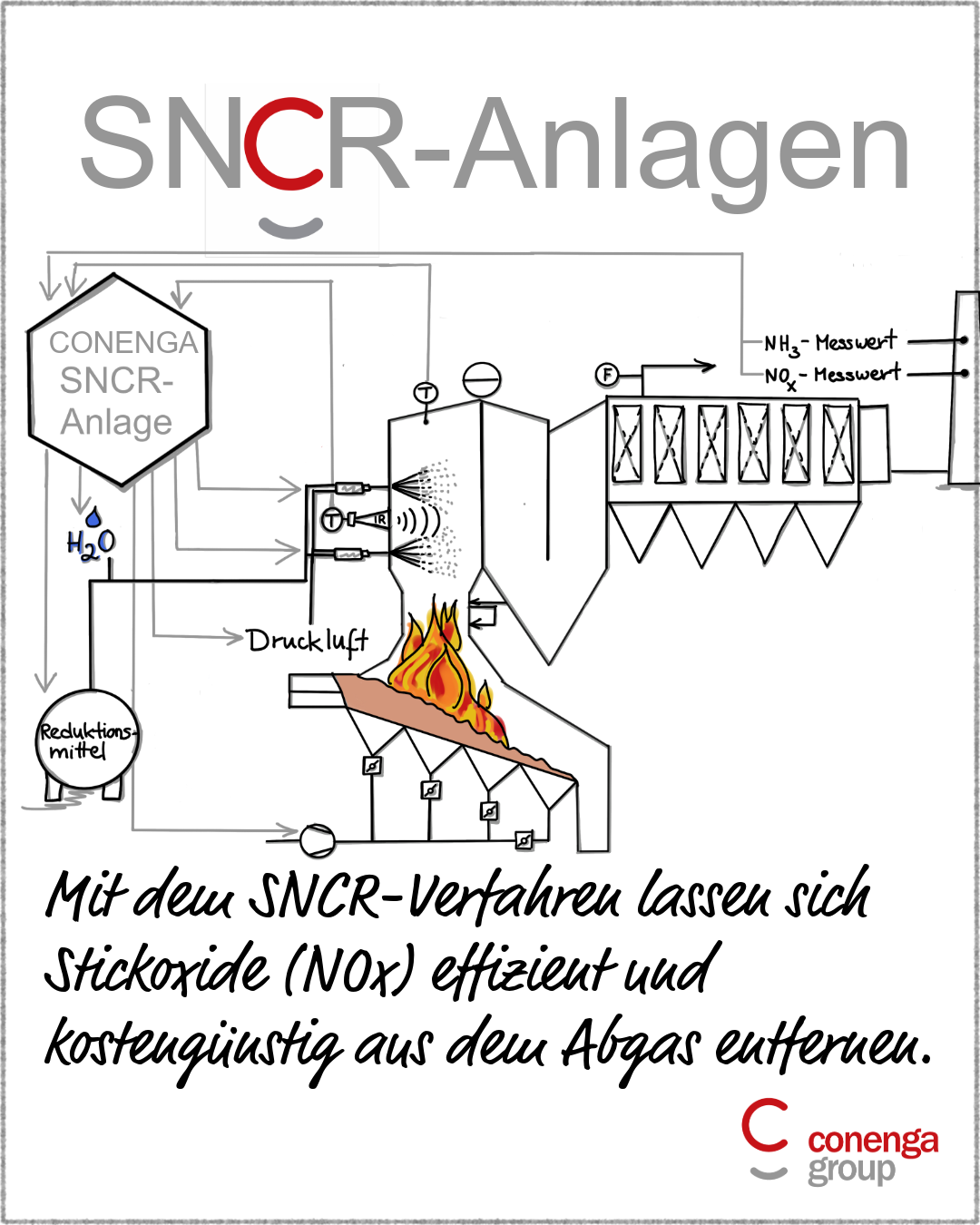
- Checking temperature windows for SNCR injection
- Validation of air and flue gas volume flows
- Evaluation of false air components
- Root cause analysis for balance sheet variances
The measurement campaign is always tailored to the specific problem and the actual system situation.
What can be measured
The focus of measurements in thermal industrial plants is particularly on the following topics
- Boilers and furnaces
- Flues
- Air and flue gas ducts
- Flue gas cleaning
- Combustion air systems
Among other things, temperatures, volume flows, flow velocities, pressure ratios, emissions and additional gas parameters such as oxygen are recorded.
Depending on the task, point measurements, traverses or network measurements are carried out across the system cross-section. This makes it possible to visualize spatial distributions and real flow effects that are often not detected with individual operating measuring points.
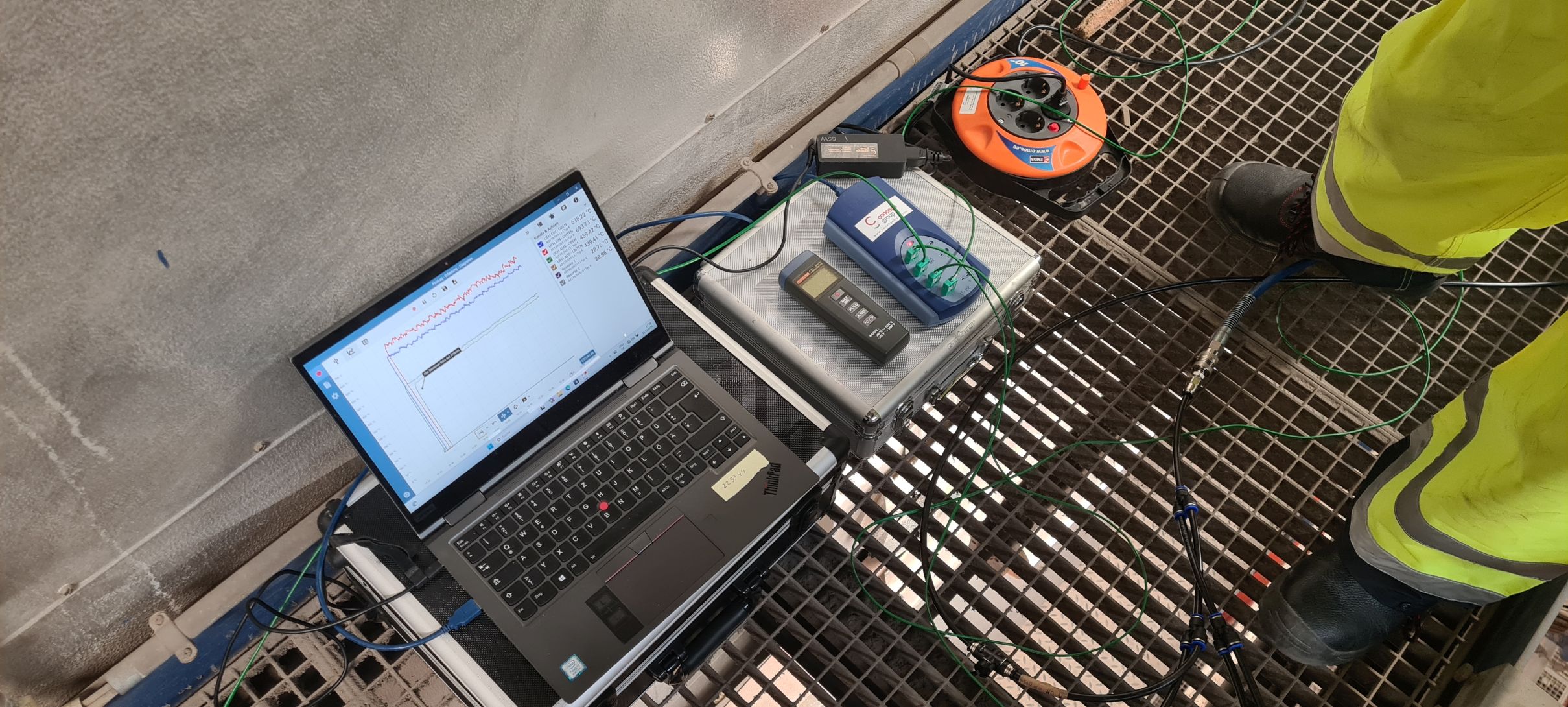
Data recording via PC and corresponding interfaces
We are looking forward to answering your questions
Dominik Gappmaier and Jakob Hirsch are your experts concerning measurement campaigns!
Would you like to find out more? Should we call you or would you like to receive further information by e-mail?
The CONENGA Group uses measurement campaigns and data-based analyses for the well-founded evaluation and optimization of industrial plants and processes.
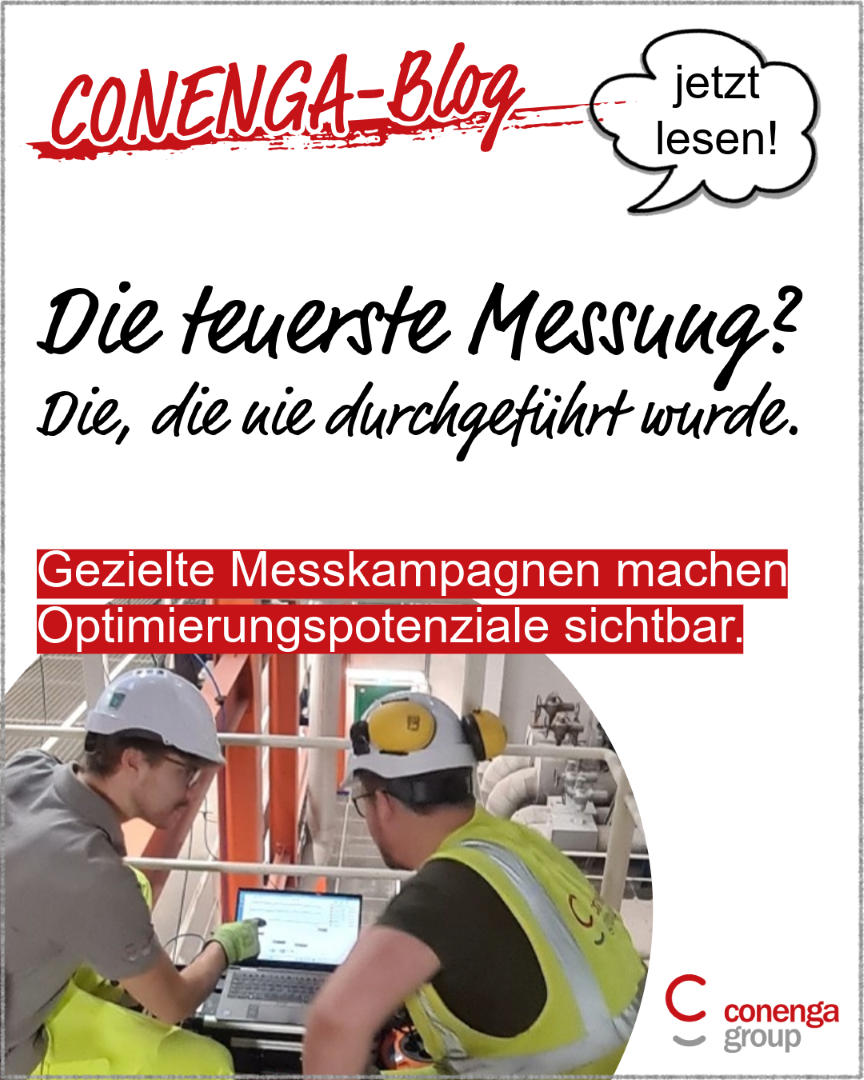
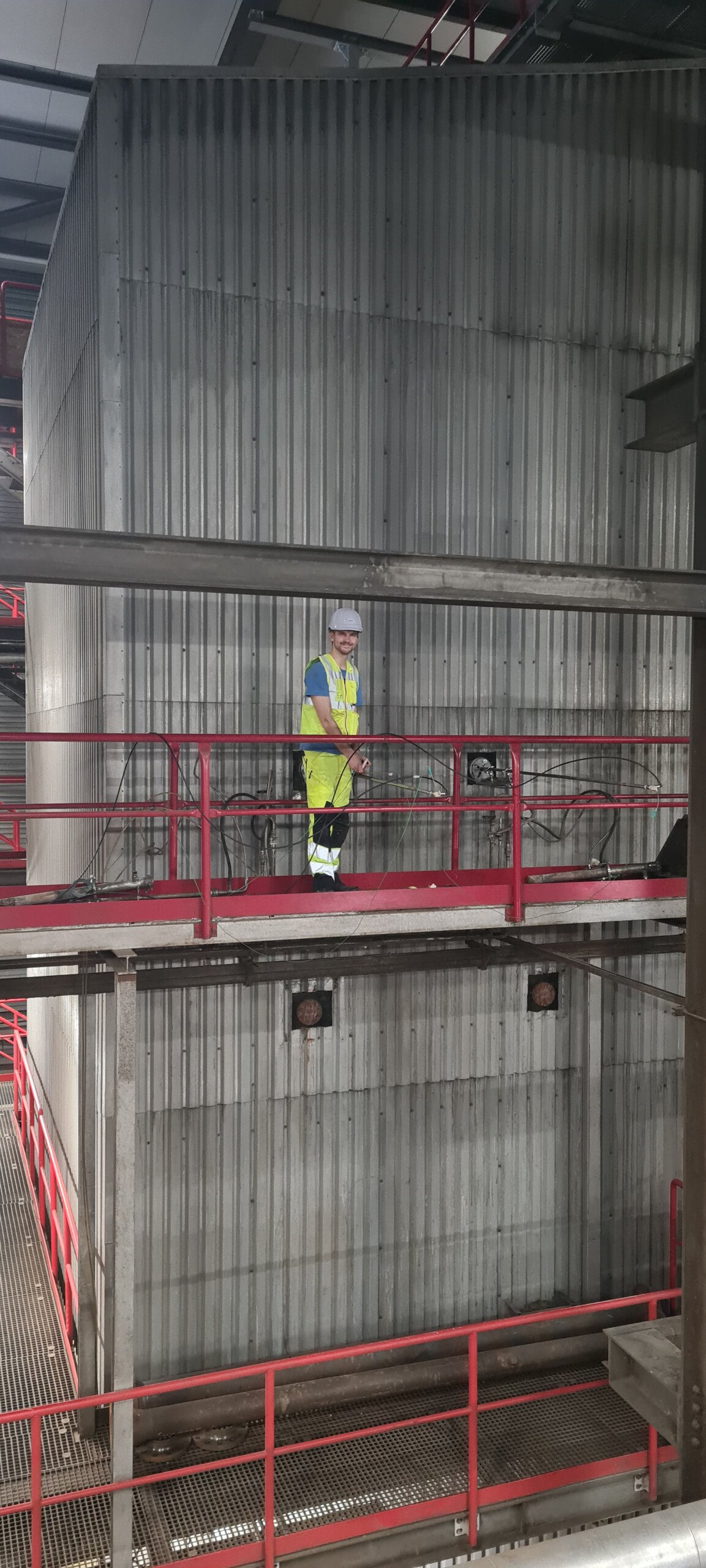
Installation of temperature measurement probes in the first pass of a waste wood boiler
Methodology and implementation
If possible, the measurements are carried out during ongoing system operation and using existing infrastructure such as measuring nozzles, flanges or inspection openings. Depending on the temperature range and task, suitable measuring lances, thermocouples, dynamic pressure measurements or supplementary mobile measuring methods are used.
The measurement campaign includes:
- Preliminary clarification and measurement concept
- Definition of suitable measuring points
- Implementation in the company
- Plausibility check of the measured values
- Comparison with existing operating data
- Technical raw data evaluation
The measuring positions are selected in such a way that a meaningful picture of the cross-section, height, depth and flow direction is obtained.
Evaluation and technical interpretation
The actual added value comes from the technical evaluation of the measurement data. The results are not viewed in isolation, but are compared with DCS data, operating states, system geometry and existing measuring points and interpreted in terms of process engineering.
This results in reliable statements on:
- Temperature distributions
- Flow centers
- Marginal zones and inhomogeneities
- Measurement deviations
- Sensor quality
- technical optimization potential
The results are presented in graphical and tabular form and documented in a comprehensible manner. This includes cross-sectional views, temperature profiles and comparisons between operating data and real measured values.
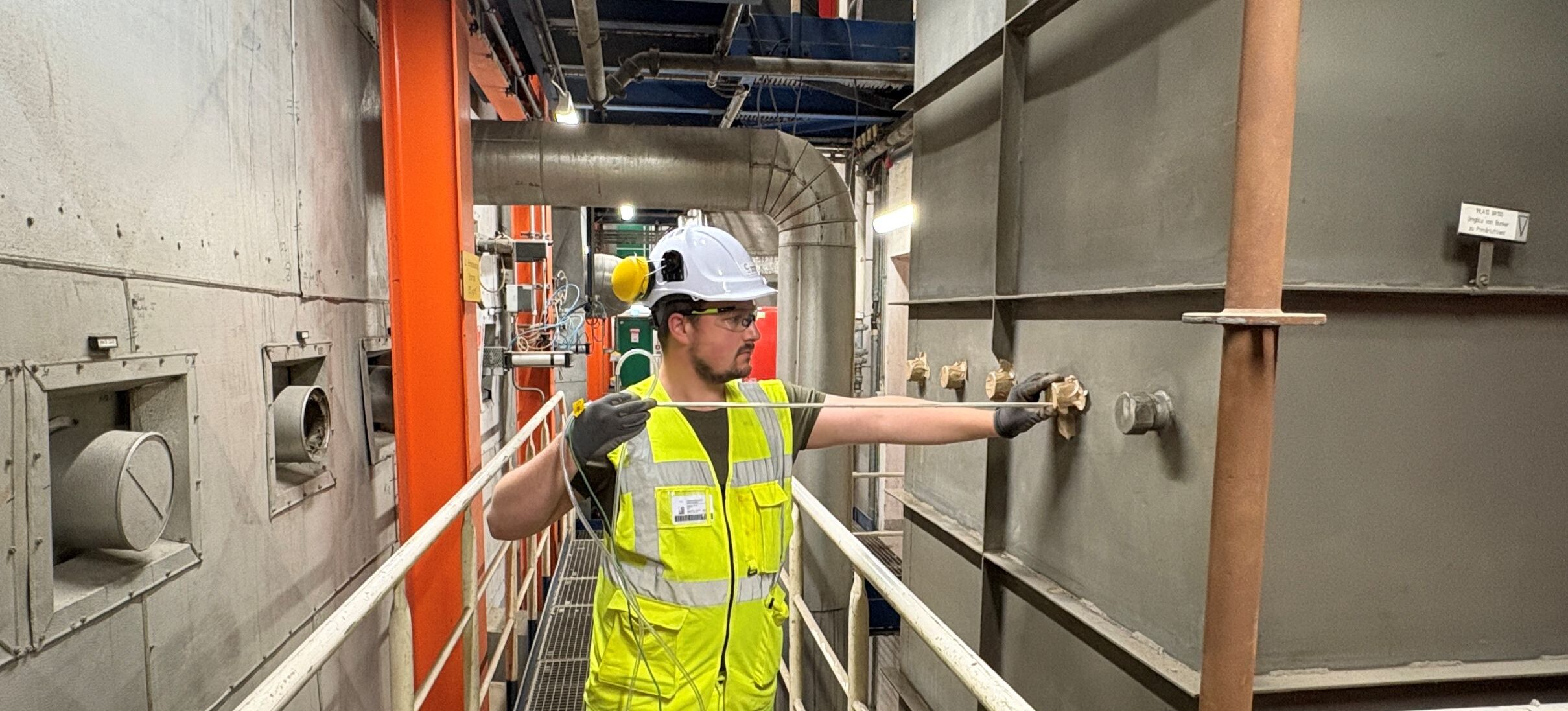
Volume flow net measurement using Prandtl pipe
Benefits for operators
Measurement campaigns create a reliable data basis for operation, maintenance and technical decisions.
Typical advantages:
- Less trial-and-error with optimizations
- Better evaluation of existing measuring points
- sound basis for conversion decisions
- More targeted action planning
- Technical protection of investments
- Higher operational reliability
This is particularly relevant for emission reduction, SNCR optimization, performance increases and the evaluation of air and flue gas systems.
Result of a measurement campaign
The result is comprehensible technical documentation with a measuring concept, measuring points, operating conditions, raw data, diagrams, tables and technical interpretation.
The report typically includes:
- Graphical and tabular evaluation
- Comparison with DCS and operating measured values
- Plausibility check
- Technical conclusions
- concrete recommendations for action
If necessary, further engineering or optimization measures are derived from this.
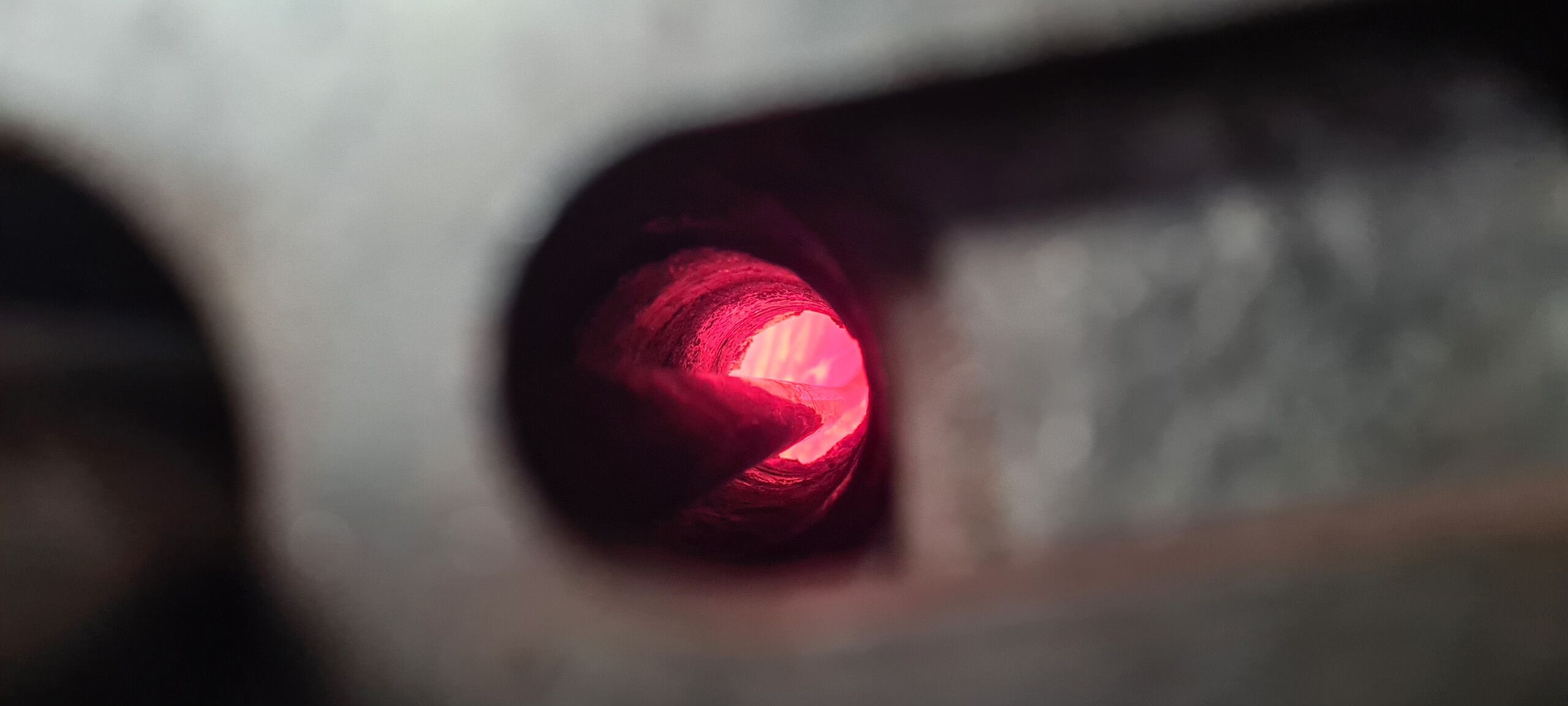
Temperature measuring lance in the combustion chamber
FAQ on measurement campaigns
Interfaces to other services
Measurement campaigns often form the technical basis for further engineering and optimization projects.
These include, among others:
- Plant Balancing
- SNCR optimization
- Flue gas cleaning
- Flow optimization
- Simulations
- Plant Balance Solutions
- Advanced Process Control
- Potential studies
- Plant conversion / turnkey
- Laser scanning
- Engineering
The measurement provides the real data basis on which technical measures can be developed and implemented.
Do you have any questions? – We’d be happy to assist you during our initial discussion. We look forward to hearing from you!
Areas of application
We carry out measurement campaigns primarily in the following system areas:
- Waste incineration plants
- Biomass boiler
- Grate furnaces
- Fluidized bed systems
- Industrial furnaces
- Flue gas cleaning
- Energy and environmental systems
The focus is on existing systems where real operating data is required for optimization, troubleshooting or conversion projects.

News









Unsere Kunden