Flow optimization
Flow optimization
Key Takeaways
- Flow optimization improves the distribution of gas, air and material flows in industrial plants, thereby increasing efficiency and process stability.
- Uneven flows can lead to power losses, increased wear, unstable combustion and higher emissions.
- Modern flow optimization combines simulation, measurement data analysis and process engineering to precisely map real process conditions.
- The CONENGA Group analyzes existing systems, identifies flow-related weak points and develops tailor-made optimization concepts.
- CONENGA integrates fluidic improvements directly into existing processes, thereby sustainably increasing efficiency, availability and system performance.

Bernhard Kronberger
What is flow optimization?
Flow optimization comprises the analysis and improvement of gas, air and material flows within industrial plants. The aim is to achieve uniform distribution, stable process control and maximum energy efficiency. The CONENGA Group combines simulation, data analysis and process engineering expertise to optimize real systems in a targeted manner.
We know that flow optimization is important for the maximum efficiency of process engineering systems. By using state-of-the-art CFD (Computational Fluid Dynamics) simulations, we can develop precise solutions that make your systems more efficient and economical.
The CONENGA Group optimizes industrial flow processes by combining simulation, data analysis and process engineering.
Our expertise and commitment are aimed at finding the best possible solution together with you. Rely on our experience and expertise to optimize your processes and reduce costs in the long term.
Possible results you receive from us after flow optimization
- Analysis and optimization of the incident flow of the heat exchangers (CFD analyses, baffles, etc.) for improved utilization of the installed heat exchanger surface area
- Analysis and concept to avoid corrosion on the heat exchanger surfaces
- Lower pressure losses and therefore lower power consumption of the fans/pumps
- Analysis and concepts for increasing the heat recovery rate and thus reducing fuel costs in the case of heat recovery systems.
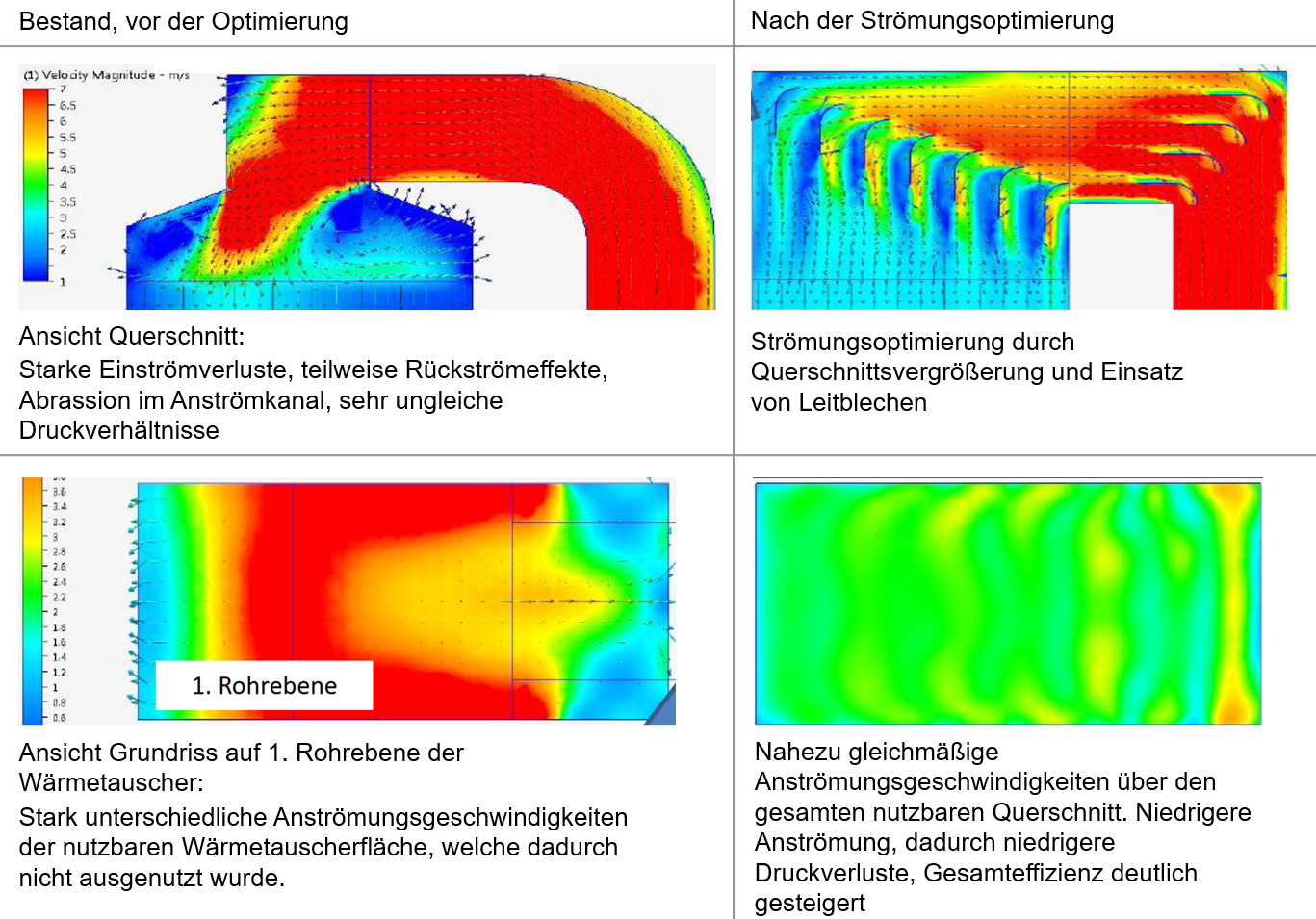
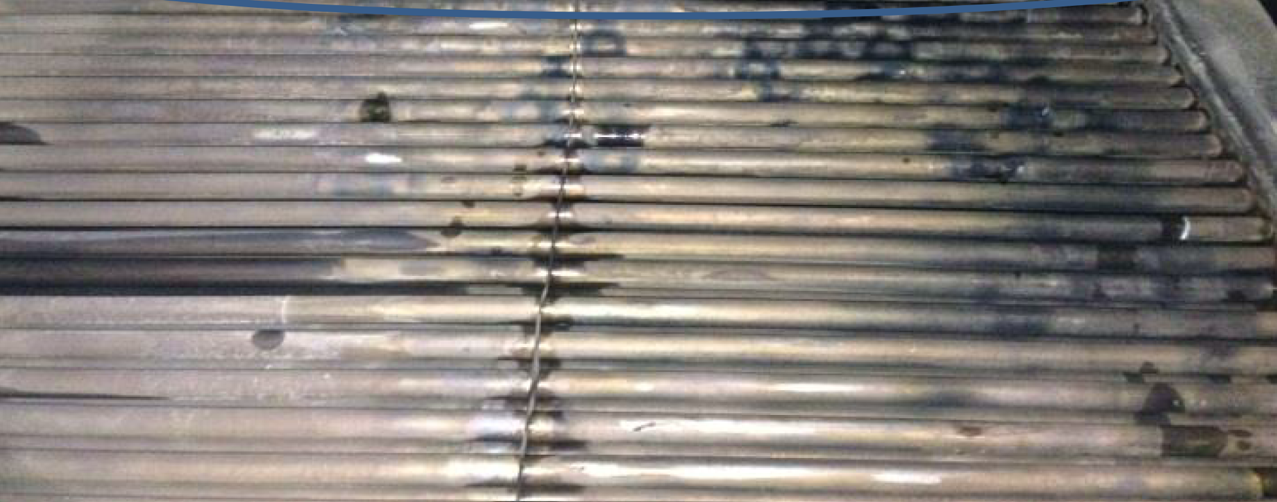
The picture below shows a heat exchanger surface with an unfavorable incident flow and thus poor utilization of the installed surface. If the inflow is very different, damage to your system or individual parts will occur much more often and faster. Up to a third of the usable flue gas energy is often not utilized. This prolongs the amortization of the system and increases the risk of premature damage.
Find out more about the topic here
Further information:

Further information:



FAQ on flow optimization
Unsere Kunden