Risk analysis, HAZOP
Risk analysis, HAZOP
Key Takeaways
- HAZOP analyses systematically identify hazards, process deviations and safety-critical conditions in industrial plants and processes.
- The CONENGA Group uses standardized HAZOP methodologies in accordance with BS IEC 61882 as well as qualitative risk graphs and LOPA analyses for the structured assessment of technical risks and safety functions.
- Safety integrity levels (SIL) form the basis for the design of safety-relevant components, safety chains and automation systems in industrial plants.
- Interdisciplinary risk analyses enable technical weaknesses, operational deviations and potential hazards to be identified and reduced in the early project phases.
- The CONENGA Group supports companies from hazard identification and the moderation of HAZOP workshops to the implementation of technical safety measures and the updating of as-built documentation.
What is a risk analysis or HAZOP study?
A risk analysis or HAZOP study is a structured procedure for identifying and evaluating potential hazards in technical systems and industrial processes. The aim is to systematically analyze deviations from the intended operating status and derive suitable safety measures from this. HAZOP studies are used in particular for plant conversions, new safety concepts, CE markings or process engineering changes. The CONENGA Group supports industrial companies with standard-compliant HAZOP analyses, SIL assessments, LOPA methodologies as well as technical documentation and safety concepts for existing and new plants.

We are looking forward to answering your questions
Jessica Hübner and Michael Kupa are your experts concerning risk analysis!
Would you like to learn more? Would you like us to call you, or would you prefer to receive more information by email?
Carrying out a risk and hazard analysis for operating systems is essential, for example, for issuing a CE certificate or for changes to existing systems (system conversion, renewal of the safety chain). Risks and dangers need to be re-evaluated.
Hazards are identified and evaluated in the analysis. CONENGA Group uses the HAZOP methodology (PAAG procedure), one of the most widely used tools for hazard identification, which is also recognized by the authorities.
We use the qualitative risk graph and the LOPA (Layer of Protection Analysis) methodology to assess the risks.
Hazard identification – HAZOP
The HAZOP methodology is used to identify potential hazards and causes of (production) deviations in technical systems. We put together an interdisciplinary team of experts to meet your specific requirements, organize the documents and moderate the analysis meeting. In addition, we also offer to update your as-built documentation.
You benefit from the systematic procedure in accordance with the British Standard (BS IEC 61882), which we follow when carrying out HAZOP studies. We systematically examine all deviations from the target state and their consequences. We then document the results and derive recommendations for improving the safety of your processes. We are also happy to support you in implementing these recommendations.
Hazard assessment

The qualitative risk graph
The qualitative risk graph is a widely used method for assessing risks, especially when specific measurements or safety devices are considered. With this methodology, we examine the probability of occurrence of a deviation and its extent of damage, the exposure of people to the hazard, and the preventability of the damaging event.
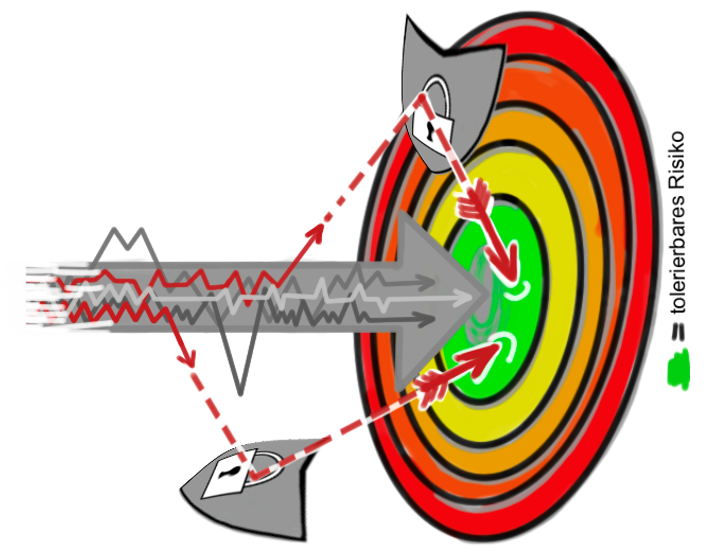 We then classify all deviations into safety integrity levels (SIL) using a risk graph (based on OVE-EN-61511). These SIL classifications set requirements (failure safety, redundancy) for the entire safety chain and the safety circuits. Each safety function covers the entire route from the measuring sensor to the process control system (the controller) and the actuator. The classification enables you to select the right components and safety devices for your process.
LOPA methodology
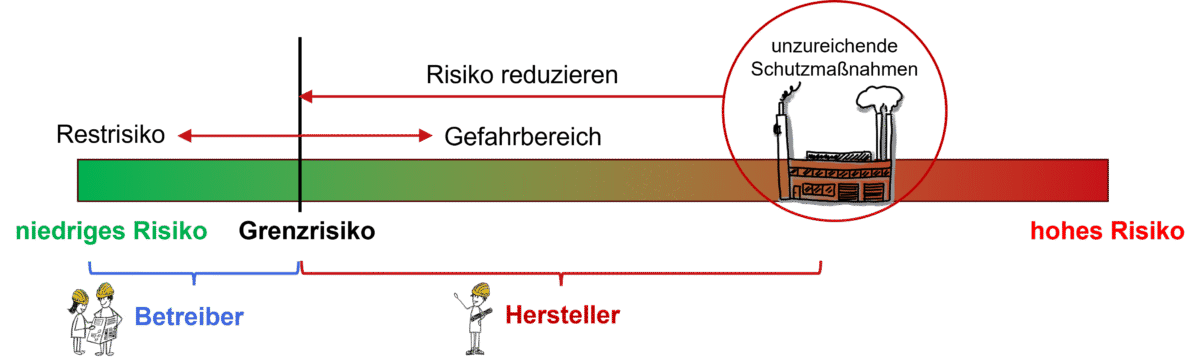
The LOPA methodology is ideal for assessing risks when only a rough plan or concept is available and basic engineering services are still required. As part of the LOPA methodology, we use a risk matrix to determine the probability of occurrence of deviations and their potential extent of damage. 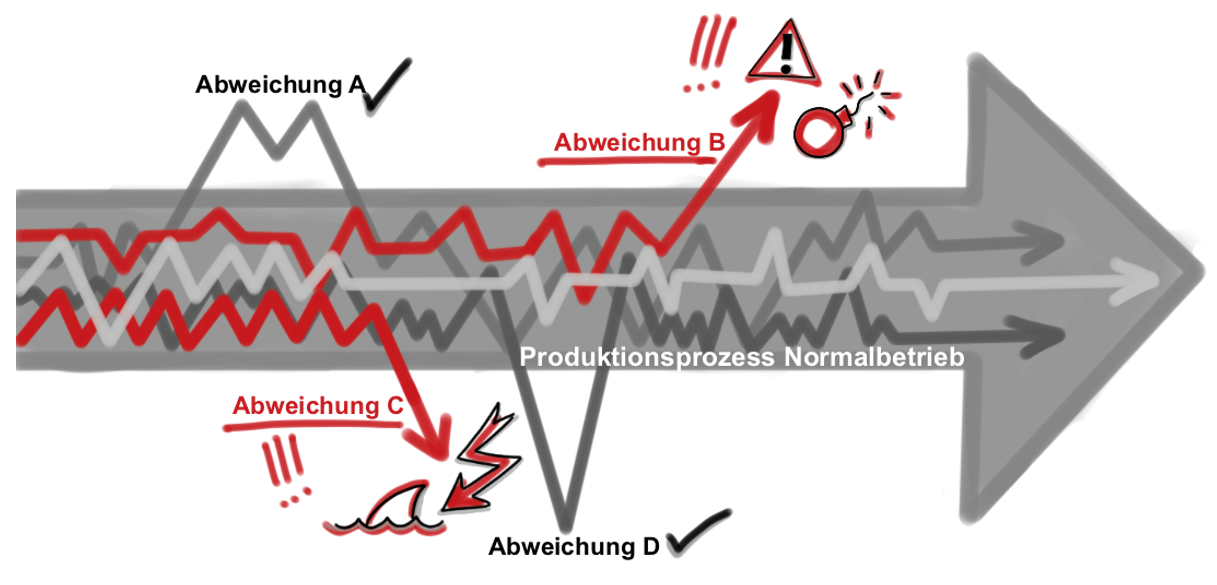
Subsequently, we compare the risk of the event with the tolerable risk. If the risk of a dangerous deviation from the target state is higher than the tolerable risk, you must take measures. You can either add more safety devices to the process or make improvements that meet a higher safety integrity level (analogous to the Qualitative Risk Graph).
The CONENGA Group combines HAZOP methodology, SIL assessment, engineering and technical risk analysis for the standard-compliant safeguarding of industrial plants and processes.

Jessica Hübner and Michael Kupa explain what hazard assessment is and how a HAZOP study works. At the end, all participants experience what it feels like to be part of a HAZOP study. View now!
Further information:






The path to plant safety
Jessica Hübner and Michael Kupa explain what hazard assessment is and how a HAZOP study works. At the end, all participants experience what it feels like to be part of a HAZOP study. View now!
Further information:


FAQ on risk analysis and HAZOP
News







Unsere Kunden