

Low Hanging Fruits first: simply picking efficiency potentials
 When it comes to increasing efficiency in energy and production plants, many people first think of large investments such as new technologies, extensive conversions or complex projects. While mid- and long-term measures are often associated with precisely these aspects, there is a category that is often underestimated – low-hanging fruit. By this we mean short-term optimizations that can be implemented with little effort and have an immediate, often measurable effect. Some of these low hanging fruits can be implemented during a typical on-site visit and their impact can be evaluated directly together.
Understanding systems instead of rashly optimizing them
When we visit plants, our first step is not to present solutions. We want to understand how the system really works and talk to the operating staff. We often hear sentences like “We’ve always operated like this” or “We set it up like this years ago”. This is absolutely understandable and often shows that the system is being operated in a stable manner. At the same time, these are also moments when we become particularly attentive.
This is because the framework conditions – such as energy prices, raw materials or load profiles – change over the course of the operating years. However, the settings are often not adapted to these new conditions. Not because they are wrong, but because they have proven themselves and there is no reason to question them in stressful everyday life. This is precisely where low hanging fruit often arises.
Many small adjusting screws instead of one large lever
We rarely find big “aha moments”, but rather many small adjustments that have become established over time and are no longer questioned. In biomass plants, for example, we often see operating parameters that have been set slightly conservatively. These may be air conditions or temperatures that were originally selected for safe operation but now cause unnecessary losses. Even small adjustments can noticeably improve efficiency here. 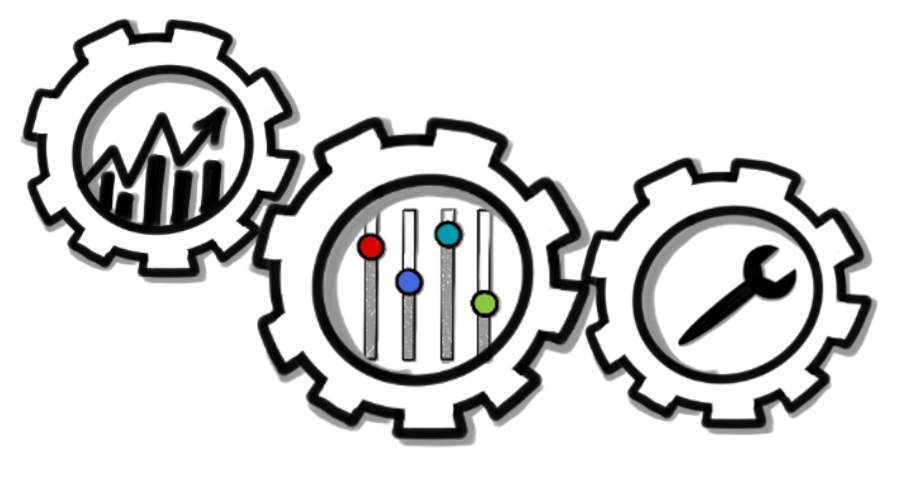
In industry, too, there is often potential in operating at partial load. Systems are often operated stably here, but not optimally. An individually adapted control strategy can significantly reduce energy consumption without destabilizing the process.
Another classic issue is losses that simply “run along” – for example, steam that is not used optimally or compressed air systems with small leaks. Often none of this is new, but in everyday life there is not enough time to consistently pursue these issues. This is how the Low Hanging Fruits lever is created: not through a single large measure, but through the sum of many small improvements.
The external view as a decisive factor
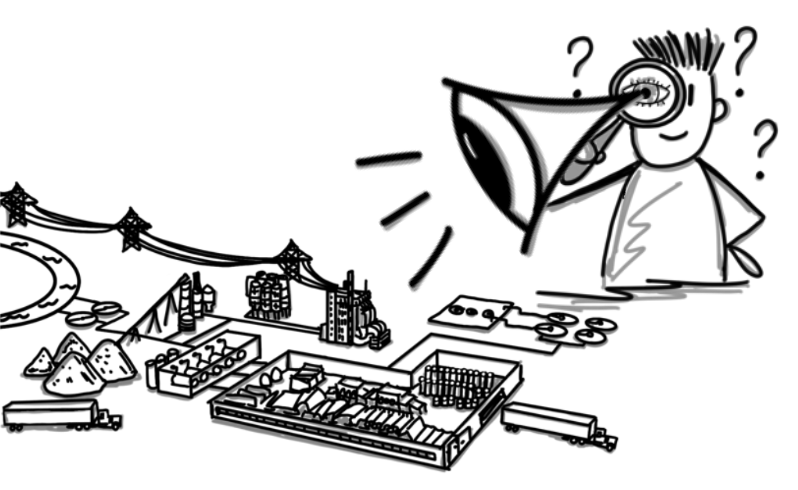 As CONENGA, we often bring a new perspective to the system. Anyone who works with a system on a daily basis has a wealth of experience, but also develops a natural operating routine. Things that have “always been that way” are no longer actively questioned. We come without this history, but bring with us experience from many other systems. Thanks to our work in different sectors and with a wide variety of operating methods, we can draw a well-founded comparison between the respective system and the state of the art.
This often gives rise to the crucial questions needed to identify potential. In doing so, we deliberately go into depth and sometimes ask uncomfortable questions such as: “Why is this process running exactly like this?” or “Does this parameter have to remain at this level or is there room for maneuver?”. This is not a radical intervention or a questioning of the existing mode of operation, but an attempt to precisely understand the fundamentals of the operation in order to be able to propose targeted and sensible adjustments.
“Invisible” optimization with a measurable effect
The optimization is often invisible. No major investments are required and there are no long waiting times. An adapted control system here, an optimized operating mode in the partial load range there and the reduction of losses that were previously accepted as a given – all in all, these small interventions have a noticeable effect. Processes run more stably, existing resources are better utilized and energy costs can be reduced. This lever can be decisive, especially in energy-intensive companies.
Low Hanging Fruits as the starting point for every optimization
For us, Low Hanging Fruits are not a by-product of an analysis, but are often the deliberate focus at the beginning of a potential study. We work closely with the company and the plant personnel. It is not our aim to talk down or replace what already exists, but to contribute to further development. The best solutions are often the result of new ideas. 
Our aim as the CONENGA Group is not only to identify potential, but also to make it tangible and feasible so that the analysis can be directly followed by implementation.  The success of a potential study is not only reflected in the results on paper, but above all in the savings that are actually realized.

Jessica Hübner, MSc, ist Process Engineer bei der CONENGA Group und spezialisiert auf Verfahrenstechnik mit Fokus auf erneuerbare Energien. Nach ersten Tätigkeiten im Bereich Visualisierung (2021-2023) liegt ihr Schwerpunkt seit 2023 in der Verfahrenstechnik und im Anlagenbau – hierbei insbesondere bei Sicherheitsbeurteilungen und der Projektkoordination innerhalb der Unternehmensgruppe.
Ihr Masterstudium der erneuerbaren Energien absolvierte sie an der FH Technikum Wien, wo sie zuvor auch den Bachelorstudiengang Urbane erneuerbare Energietechnologien abschloss. Um ihre Expertise in der klassischen Prozessentwicklung zu vertiefen, absolviert sie seit 2024 zusätzlich das Bachelorstudium Verfahrenstechnik an der TU Wien.
Praktische Erfahrung sammelte sie bereits während ihrer Ausbildung, unter anderem als Praktikantin bei der CONENGA Group sowie im Rahmen eines Ferialjobs bei der ODU GmbH & Co.
Durch ihren akademischen Hintergrund in den Energietechnologien und ihre mehrjährige Erfahrung in der Verfahrenstechnik verfügt sie über fundiertes Know-how in der technischen Umsetzung und Koordination nachhaltiger Industrieprojekte.