 STYROMAG project – Optimization of the fluidized bed calcination process
STYROMAG project – Optimization of the fluidized bed calcination processEnergy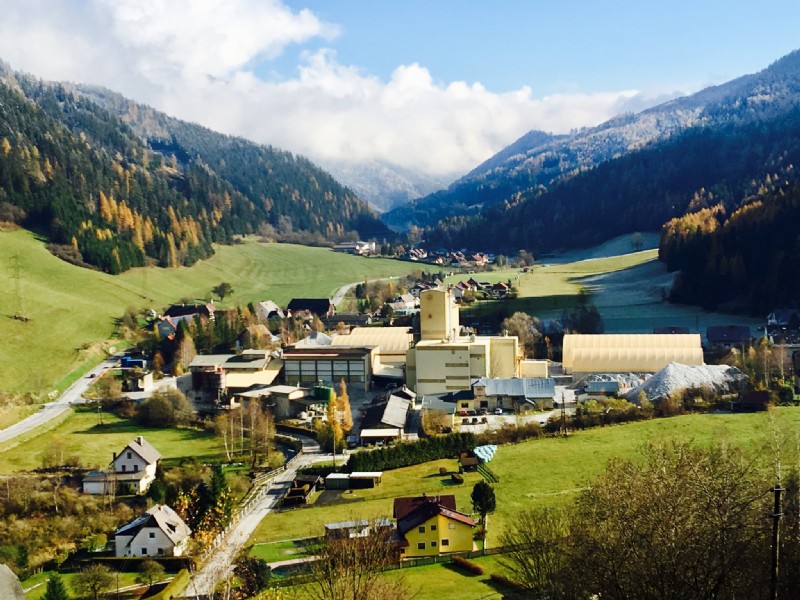 efficiency and CO₂ reduction in industrial magnesite calcination
At the STYROMAG Steirische Magnesitindustrie GmbH the world’s first specifically designed fluidized bed furnace for the production of caustic-fired magnesite has been extensively modernized.
The aim was to significantly reduce energy consumption and emissions while maintaining the same high product quality. The CONENGA Group developed the process engineering concept for optimizing the calcination process, implemented modern control technology and realized innovative solutions for heat recovery.
The challenge
The STYROMAG Steirische Magnesitindustrie GmbH has been operating a globally unique fluidized bed furnace for the production of caustic-fired magnesite (MgO) since 1985.
The energy-intensive calcination process should be improved in terms of energy efficiency and emissions balance without compromising product quality or production capacity.
The main challenges were:
- High demand for natural gas and own electricity in the existing process
- Fluctuating process conditions in the high temperature range
- High dust levels within the system
- Limited heat recovery despite multi-stage preheater
Objective
The aim of the project was to significantly improve energy efficiency and reduce CO₂ emissions while maintaining stable production and high plant availability. In addition, an innovative demonstration project for industrial magnesite calcination was to be implemented.
The specific project objectives included:
- Increasing the energy efficiency of the calcination process
- Reduction in natural gas and electricity consumption
- Maximizing heat recovery
- Improving process stability
- Establishment of a new benchmark for specific energy consumption
Implementation
The CONENGA Group developed the process engineering concept for optimizing the fluidized bed process and supported its implementation through to successful commissioning.
The most important project measures were
- Process analysis and energy integration
Analysis of the existing calcination process and development of a comprehensive heat recovery concept across several process stages. - Control engineering
Creation of a control concept for optimized process control. - Innovative high-temperature heat exchanger
Development of a new type of air preheater that can withstand the extreme dust and temperature conditions of the process. - Engineering and commissioning
Support for engineering, project organization and commissioning as well as process optimization of plant operation. Installation and commissioning took place during a short production shutdown.
Results
The modernization has resulted in significant increases in efficiency and reductions in emissions.
The most important results:
- Reduction of natural gas and in-house electricity consumption by around 20 % each
- Reduction of CO₂ emissions by around 1,165 tons per year
- Maximized heat recovery across multiple process stages
- Successful implementation of a new type of high-temperature heat exchanger
- Significantly improved process stability thanks to modern control technology
- High product quality with a very high degree of purity and reactivity of the MgO
The project was implemented as a publicly funded demonstration project within the framework of Austrian environmental funding in Austria,supported by KPC – kommunalkredit public consulting and ERDF – European Regional Development Fund and underlines the innovative character of the solution.
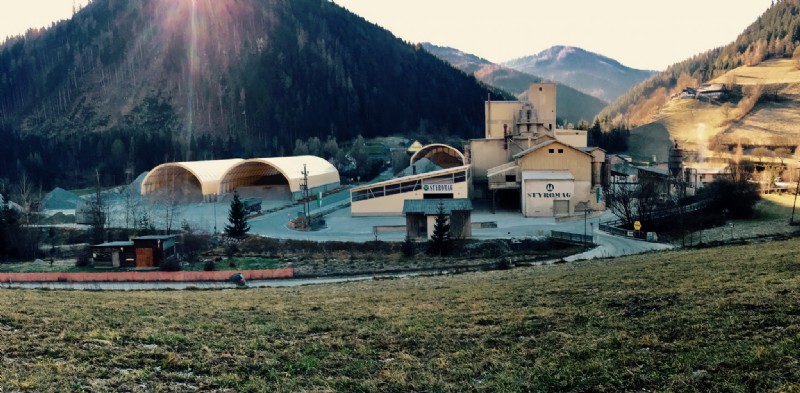
Styromag is an owner-managed Styrian raw materials company based in Oberdorf (Tragöß-St. Katharein) that mines and processes magnesite. It produces caustic-fired magnesite in fluidized-bed and deck furnaces.
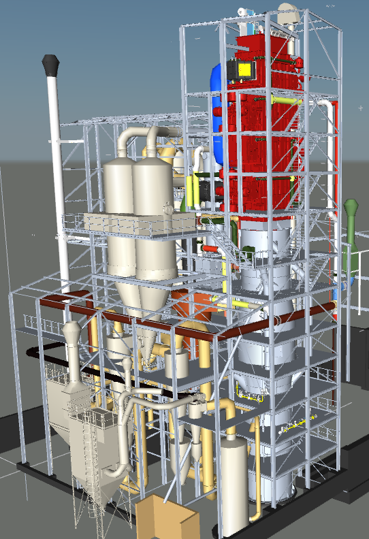
Plant data: Feed: 6.3 t/h, grain size: 0.3 - 8 mm, bed temperature: 750 - 800 ºC, freeboard temperature: 800 - 840°C, natural gas output: 4.5 MW
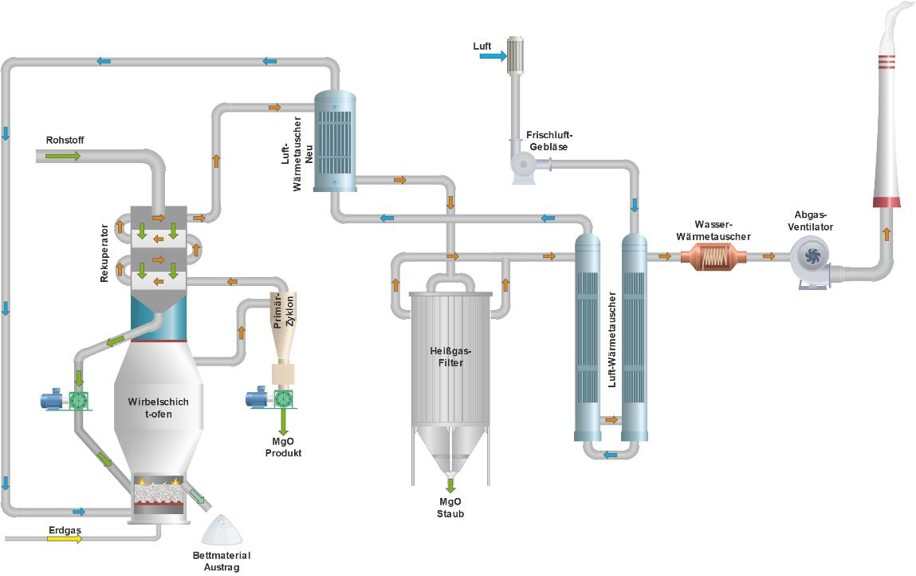
MgO calcination from raw stone (MgCO3) with grain size < 8mm in fluidized bed reactor Image source: Styromag, KON Chemical Solutions
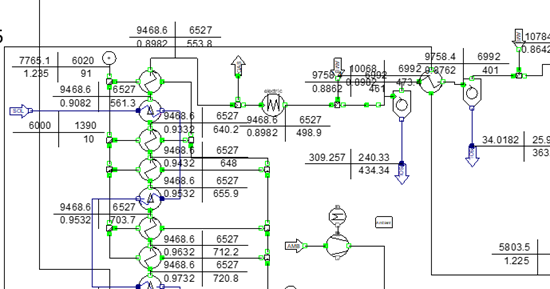
Process simulation


Blog post Magnes-it!
Unsere Kunden