
BCS® buffer storage management
BCS® buffer storage management
The BCS® buffer storage management module with prediction function for the heat demand of the district heating network ensures optimum charging and discharging of your heat storage tanks. Mains peaks are passed on to the boiler in a damped manner through targeted discharging and during off-peak times the buffer storage tank is recharged accordingly.
The prediction function of the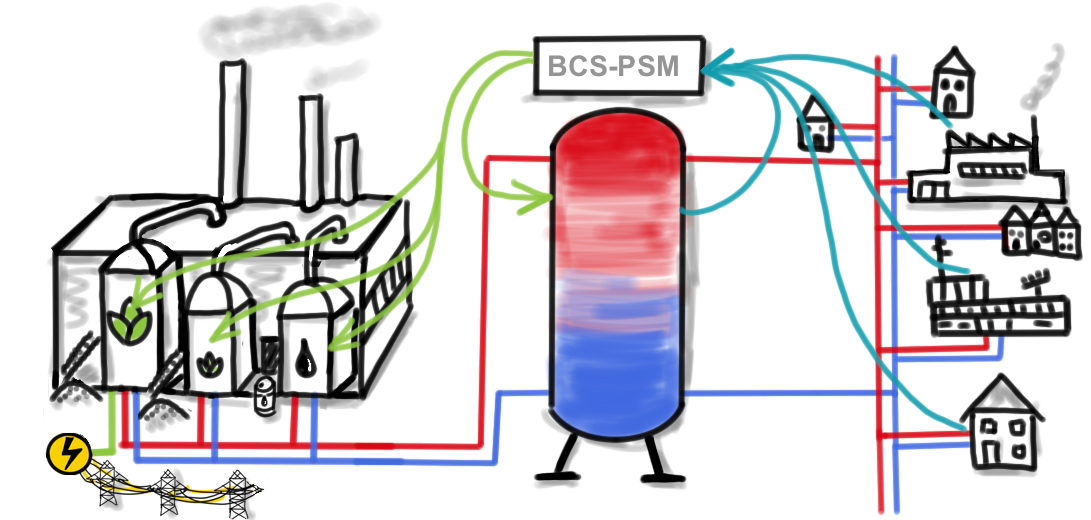 The optimized, forward-looking buffer storage management makes it possible to monitor the heat demand in the district heating network. The required output is requested from the active or prioritized heat generators according to the buffer volume.

David Hechinger
I am looking forward to answering your questions
David Hechinger is your expert concerning buffer storage tanks
Applying buffer storage management – your benefits
Technical advantages
-
- Stabilization of boiler and blower operation protects the boiler components and thus extends their service life
- Eased load fluctuations and minimization of glow retention time at low load ensure optimum overall efficiency
- Intuitive operation, taking into account individual specifications for loading temperature and limits
Economic advantages
-
- Reduction of own power consumption through uniform operation of the combustion fans and avoidance of buffer overload (reduced electricity costs and higher power conversion efficiency)
- Reduction of malfunctions and necessary manual interventions (optimized personnel deployment)
- Reduction in fuel consumption and peak load boiler operating times (reduced fuel costs)
Environmental advantages
-
- Reduction of emissions and compliance with emission limits (CO, NOx, NH3…)
- Reduced demand for fossil fuels (peak load boiler – oil/gas)
- Increased energy efficiency
Stabilization of boiler operation, smoother operation
Optimum overall efficiency
by reducing the load changes
Constant compliance with emission limits
Reduction in the need for fossil fuels
Greater energy efficiency
Maximum power output
through targeted avoidance of buffer overload

Further information:
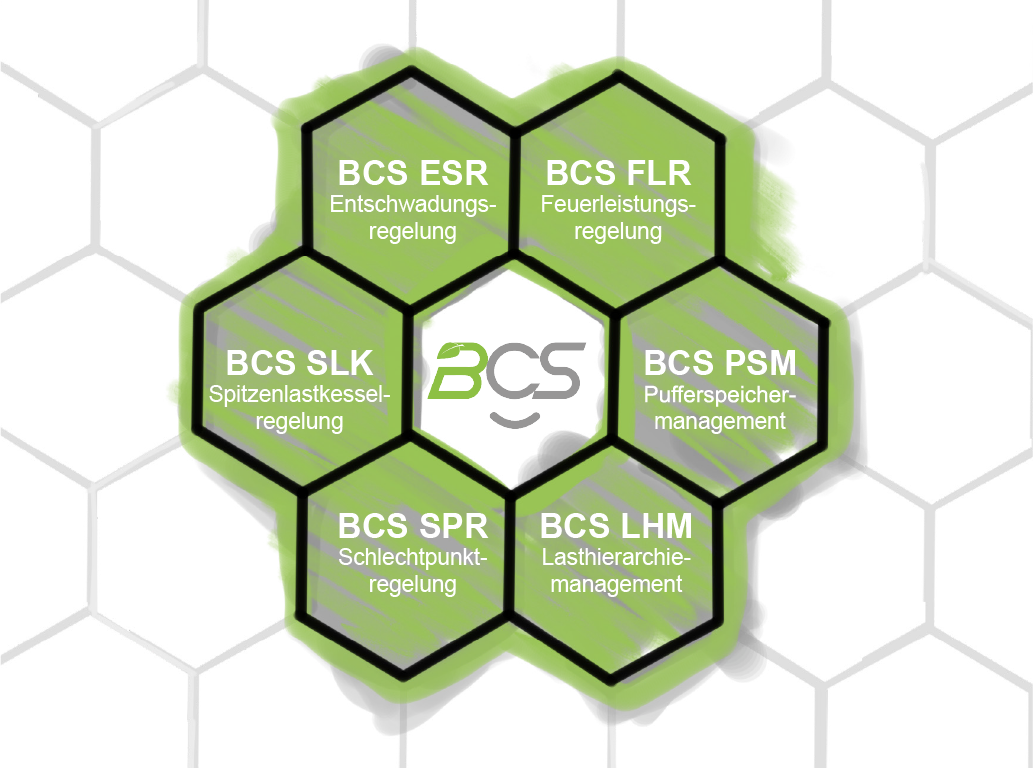
BCS® Suite our control system for biomass

BCS® fire power control
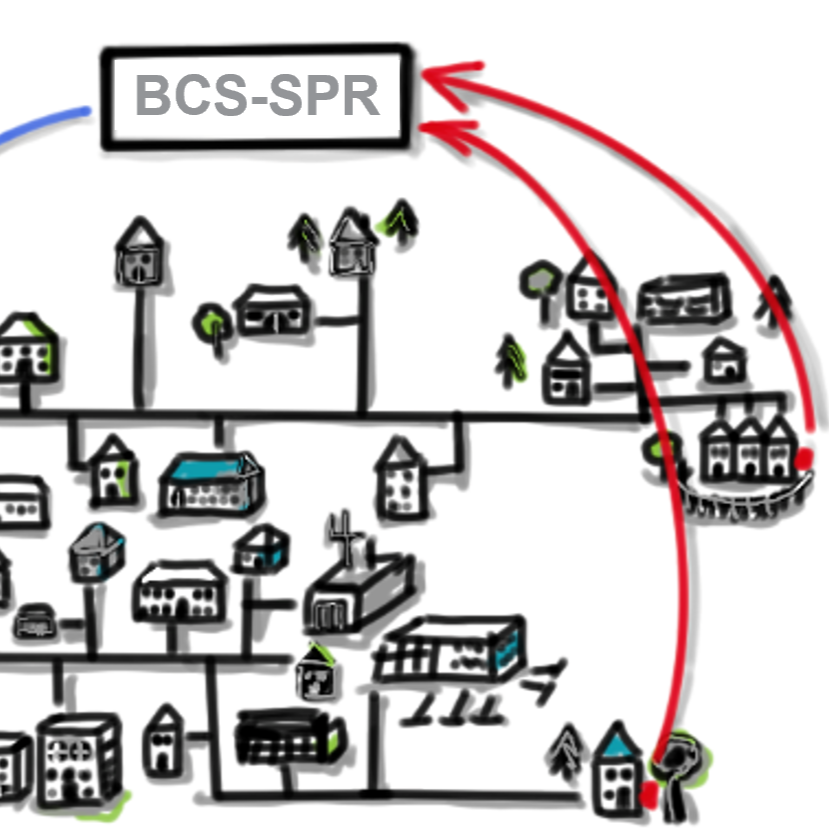
BCS® index run control
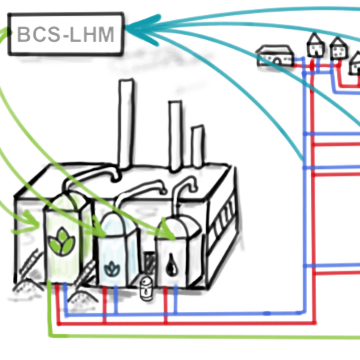
BCS® load hierarchy management
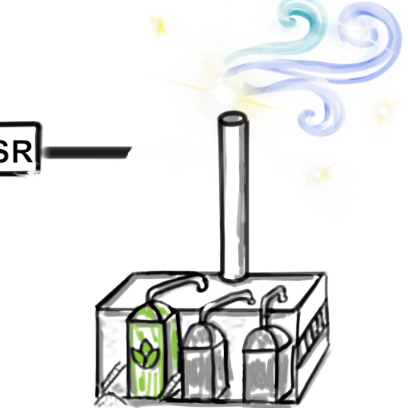
BCS® plume abatement control
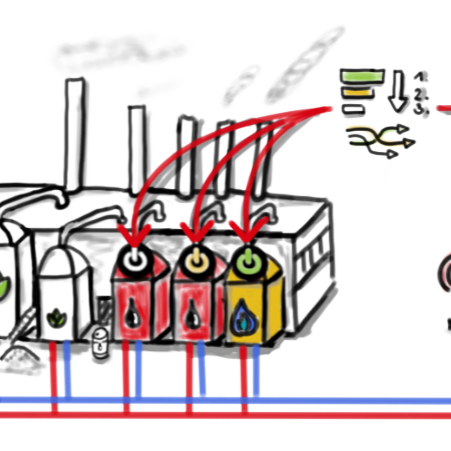
BCS® Peak load boiler control

Buffer storage in Holzkurier: read now!
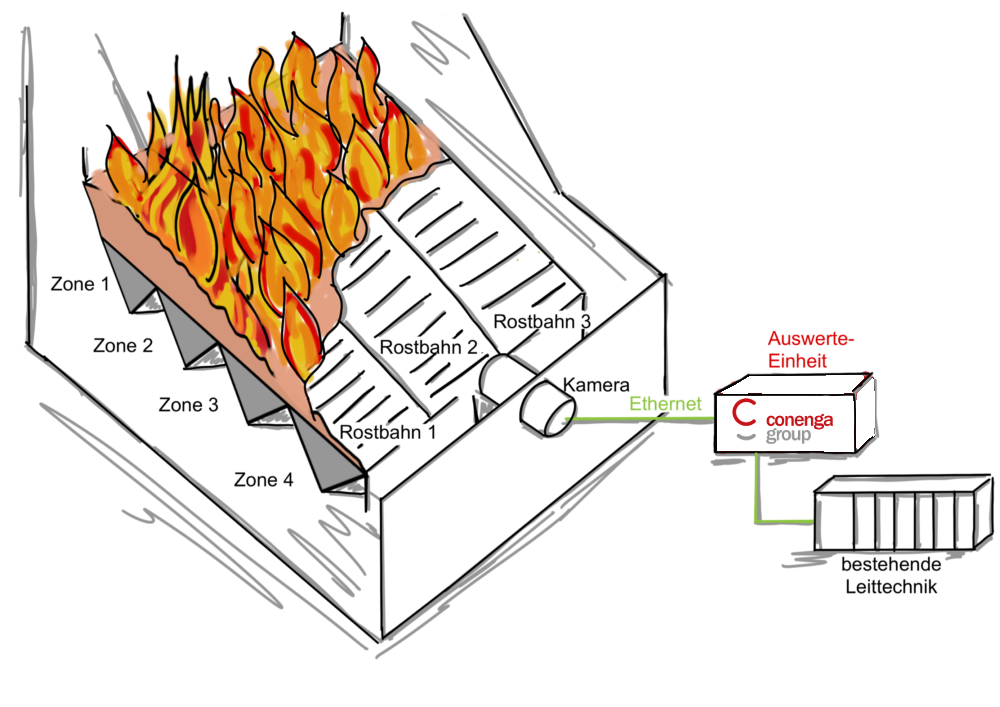
Fire position detection
Heat demand forecast
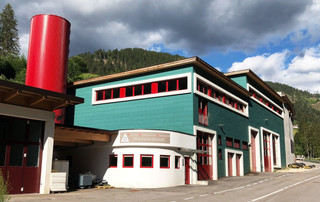
Project reference WEG Welschnofen

Service

webinar
Webinar recording on the BCS® Suite
Unsere Kunden